 English
 French
 German
 Italian
 Portuguese
 Spanish
The Green Wave in Construction—From “Optional Feature” to “Core Competitive Advantage”
The global construction industry is undergoing unprecedented transformation. As ESG (Environmental, Social, and Governance) standards become core metrics for investment and procurement, carbon neutrality and sustainability are no longer marketing slogans—they are decisive factors influencing project success and asset value.
According to 2025 industry trends, green buildings are rapidly advancing toward Net-Zero Energy Buildings (NZEB), emphasizing deeper solar energy integration and smart technologies to address climate challenges and rising energy costs. The International Energy Agency (IEA) forecasts that renewable energy will dominate the building sector by 2030, with solar lighting accelerating this transition as a highly efficient entry point.
However, traditional outdoor and public-area lighting remains a major source of energy consumption and operational burden. High electricity bills, expensive trenching and wiring, and frequent maintenance reduce profitability and weaken sustainability ratings. For large commercial campuses or residential developments, conventional lighting can generate tens of thousands of dollars in additional annual expenses while increasing carbon emissions and negatively impacting ESG scores.
Smart solar lighting has emerged as the new standard for modern green buildings. With zero-wiring installation and adaptive control, it minimizes upfront costs and provides stable operation for up to 25 years—delivering both environmental and economic advantages.
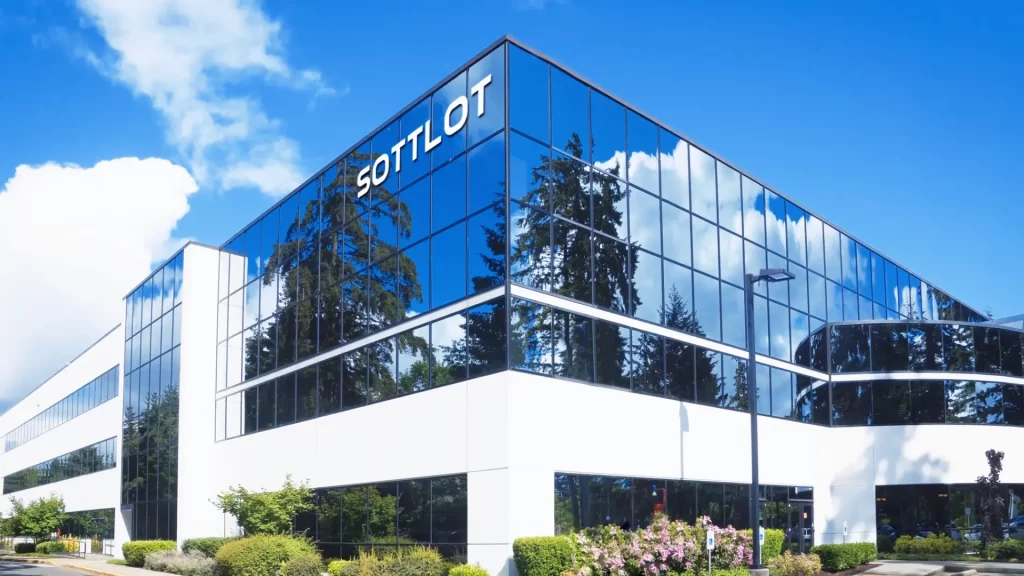
Since its founding in 2004, Sottlot (SRESKY) has been dedicated to “innovating the future of solar.” As a leading solar lighting manufacturer with a strong R&D foundation, we believe that smart solar technology is the driving force behind this green revolution. From pioneering solar chargers to today’s SRE-MESH intelligent lighting system, Sottlot has delivered integrated solutions across more than 70 countries, supporting architects and developers in achieving their sustainability goals.
Beyond Energy Savings: How Solar Lighting Redefines the Triple Bottom Line
Solar lighting goes beyond energy efficiency, reshaping project value through the Triple Bottom Line: economic, social, and environmental benefits. In 2025, this technology is recognized as a core enabler of smart IoT and renewable energy integration—pushing buildings toward deeper sustainability.
Value 1: Lifecycle Cost Savings (TCO Optimization)
Zero electricity bills provide immediate ROI. On a mid-sized commercial campus, traditional lighting can cost over $100,000 annually in electricity alone. Solar systems achieve full energy independence through high-efficiency monocrystalline panels and lithium-ion batteries, recovering investment within 3–5 years.
Reduced Construction Costs:
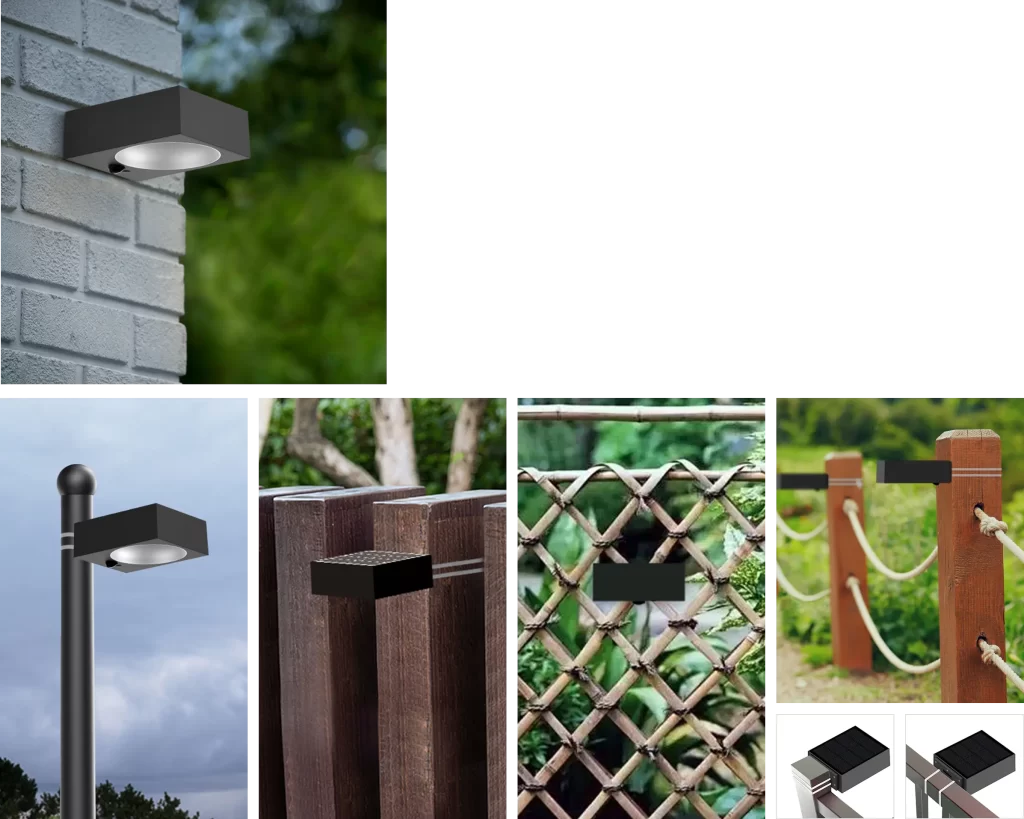
With no trenching, wiring, or grid connection needed, installation becomes significantly simpler—ideal for retrofits and large campuses. Sottlot’s CUBE Series wall lights offer multiple mounting methods (screws, cable ties, horizontal bars), enabling installation within hours and cutting initial costs by up to 50%.
Lower Maintenance Costs:
Durable materials (aluminum, PC) and long-life Li-ion batteries ensure extended product lifespan and low failure rates. Sottlot’s FAS (Fault Alert System) allows remote monitoring and diagnostics, further reducing O&M requirements. From a TCO perspective, total savings can reach up to 70% versus traditional systems.
Value 2: Enhanced Corporate Social Responsibility (CSR) and Brand Image
Deploying solar lighting is a clear demonstration of your commitment to sustainability. ESG reports show that adopting solar energy can boost CSR scoring by as much as 20%, attracting environmentally responsible investors.
Supporting Green Building Certification:
Solar lighting contributes directly to international certifications such as LEED and BREEAM. In LEED v5 (2025), it supports the Decarbonization category (worth 55 points), helping projects achieve Platinum status through reduced emissions and optimized energy performance. Sottlot’s ALPHA Series streetlights, with integrated Type-4 optical distribution and PIR sensors, align with these certification goals.
Aligning With Global Policy Trends:
Solar integration positions projects ahead of tightening carbon-reduction policies. Both the EU’s “Green Deal” and China’s “Dual Carbon Goals” emphasize solar adoption—choosing Sottlot ensures long-term compliance and risk mitigation.
Value 3: Operational Resilience and Safety (Reliability)
Solar lighting operates independently from the grid, maintaining safety illumination during power outages or emergencies—an increasingly critical advantage in the face of 2025’s extreme weather events. For example, Sottlot’s Thermos Series streetlights in Ontario, Canada operated reliably despite heavy snowfall and reduced sunlight.
Smart Security:
Integrated PIR motion sensors deliver on-demand lighting, deterring intruders while maximizing energy efficiency. Sottlot’s ALS (Adaptive Lighting System) maintains 100% brightness even when battery levels fall below 30%, while TCS (Temperature Control System) ensures reliability in severe heat or cold. This resilience enhances safety and can lower insurance costs, strengthening the CSR performance of your project.
Sottlot (SRESKY): Your Trusted Outdoor Solar Lamp Reliability Expert
Technology Powered by R&D Excellence
SRESKY is a leading solar lighting manufacturer supported by a strong R&D team. Since 2004, we have secured over 800 certifications, including ISO9001 (Quality Management), ISO14001 (Environmental Management), CE, ROHS, and CB.
Core Technology:
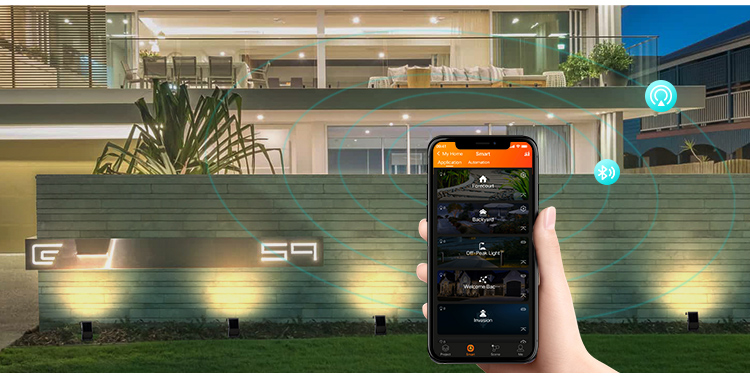
We independently developed the SRE-MESH system, which transforms standalone smart garden lights into a fully interconnected, adaptive lighting network—ideal for large-scale project management. This IoT-enabled system supports remote control and data analytics, aligning perfectly with 2025 smart building trends.
Comprehensive Certifications:
Our products and manufacturing processes meet stringent environmental standards, ensuring full-chain sustainability and truly green production.
Project Capabilities Proven in 70+ Countries
From high-temperature regions in the Middle East to rainy European climates, our products have undergone rigorous testing across global environments. Sottlot’s solutions are now deployed in more than 70 countries, demonstrating long-term durability and adaptability.
Key Procurement Considerations: How to Identify Truly “Sustainable” Solar Lighting
1. Look Beyond Brightness—Evaluate System Efficiency
Verify the use of high-efficiency monocrystalline panels and long-cycle Li-ion batteries. These components determine performance during cloudy or rainy periods. Sottlot products achieve conversion efficiencies above 20%, leading 2025’s solar technology standard.
2. True Adaptive Intelligence
Choose products equipped with precise PIR sensors and multiple lighting modes (e.g., four modes). Real intelligence balances security and energy use automatically. Sottlot’s SRE-MESH system also supports grid interconnection for campus-level adaptive control.
3. Long-Term Reliability Certification
Environmental Management:
Prioritize suppliers with ISO14001 certification to ensure environmentally responsible manufacturing.
Weather Resistance:
Evaluate IP ratings (IP54, IP65) based on climate requirements. Sottlot’s self-cleaning technology and FAS system guarantee long-term reliability in diverse weather conditions.
Conclusion: Partner With Sottlot to Make Your Green Building Truly Green
In 2025 and beyond, sustainable solar lighting will be a defining indicator of whether a building is genuinely “green” and “smart.” It is not only about reducing TCO, but also enhancing brand value, CSR performance, and long-term resilience. By integrating advanced technologies and net-zero concepts, solar lighting will continue to drive the construction industry toward a more sustainable future.