 English
 French
 German
 Italian
 Portuguese
 Spanish
As commercial lighting evolves toward 2026, reliability requirements increasingly clash with sustainability imperatives. Stakeholders—from real estate developers to landscape architects—often face a difficult choice: adopt solar lighting to achieve environmental sustainability and zero electricity costs, or rely on AC-powered lighting to guarantee uninterrupted performance during prolonged rainy seasons.
According to industry reports, the global solar lighting market is projected to exceed USD 15 billion by 2026, with an annual growth rate surpassing 12%. Yet weather dependency remains a critical barrier to broader adoption. Sottlot resolves this contradiction with its BELL Series SGL-21 Hybrid 2-in-1 Solar Light. This fixture is not simply another solar lamp; it is a precision-engineered hybrid energy solution designed to deliver uninterrupted illumination regardless of weather conditions.
Leveraging R&D expertise accumulated since 2004 through Sresky, Sottlot has deployed products across more than 70 countries and regions. The BELL Series integrates advanced monocrystalline silicon solar technology, high-capacity lithium batteries, and intelligent switching systems, enabling seamless lighting upgrades for commercial properties, resorts, and industrial park projects.
1. The Power of Hybrid: 2-in-1 Dual-Power Design
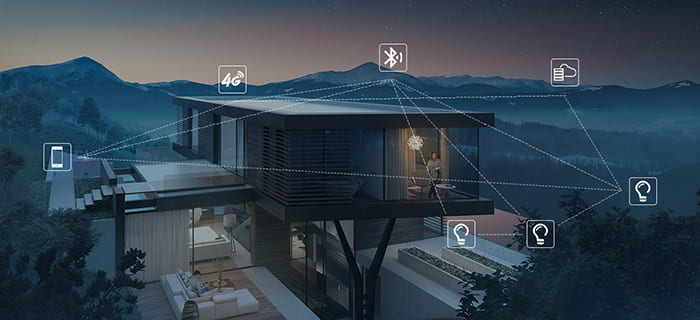
The core innovation of the BELL Series SGL-21 lies in its hybrid power architecture. Unlike conventional solar lights that rely exclusively on sunlight, the SGL-21 supports both solar and AC power (110V–240V), effectively forming a 3-in-1 system that also includes USB-C charging capability. This design ensures stable performance under variable weather conditions, making it particularly suitable for emerging markets such as Southeast Asia during extended rainy seasons.
Solar Priority Mode:
Under normal conditions, the fixture operates entirely on free solar energy, stored in high-capacity lithium batteries through efficient monocrystalline silicon solar panels. Even in low-light environments, conversion efficiency exceeds 21%, enabling up to six days of continuous illumination without AC input.
AC Backup Mode:
During prolonged heavy rain or snowfall, when battery levels are insufficient, the system automatically switches to AC power. This guarantees continuous lighting, maintaining safety and visual appeal 365 days a year. In coastal or persistently cloudy regions, this function prevents the up to 50% performance degradation commonly seen in traditional solar-only lights.
Installation Flexibility:
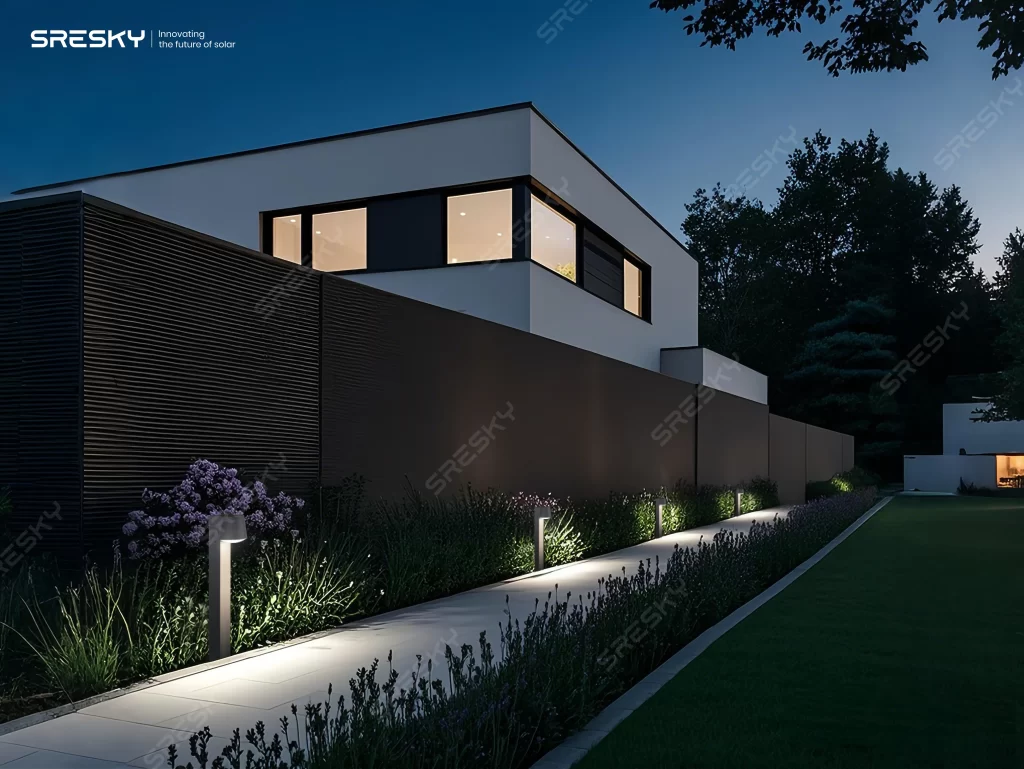
For project developers, this hybrid configuration allows installation in partially shaded locations without compromising reliability. The quick wall-mount design supports multiple accessories—including screws and horizontal poles—with a maximum installation height of 2.5 meters. This makes it ideal for commercial parking lot entrances, pathways, and landscaped garden areas.
Beyond cost reduction, this hybrid approach aligns with ESG benchmarks, helping developers advance toward carbon neutrality. In a 2025 resort case study, comparable hybrid systems delivered more than 25% savings in electricity expenses.
2. One Fixture, Three Ambiences: Triple CCT Technology
Selecting the correct correlated color temperature (CCT) during procurement is a persistent challenge for designers. Warm 3000K lighting creates a relaxed ambiance in resort gardens, while 4000K neutral light enhances visibility along commercial walkways. The BELL Series eliminates the risk of incorrect specification by offering on-site CCT adjustment through its 3-in-1 selectable CCT system.
2700K (Warm White):
Ideal for hotels and residential landscapes, this setting produces a welcoming, comfortable atmosphere that encourages relaxation. A Color Rendering Index (CRI) greater than 70 ensures accurate color representation without visual distortion.
4000K (Neutral White):
Well-suited for public plazas and commercial parking areas, this balanced output delivers clarity without harsh glare. Research indicates this lighting level can increase pedestrian alertness by up to 30%, enhancing overall safety.
6500K (Cool White):
Designed for high-security zones and industrial perimeters, this option maximizes contrast and detail visibility, making it particularly effective for signage and surveillance-related applications.
Key Advantages:
This flexibility reduces the need for multiple SKUs, simplifying inventory management and procurement logistics. End users can adjust lighting after installation based on real-world preferences, significantly lowering return and replacement rates. This functionality is especially prominent in the SGL-21WA wall lamp variant, which delivers up to 1000 lumens for uniform illumination coverage.
3. Maintenance and Refurbishment: Removable Battery and Modular Design
True sustainability extends beyond energy efficiency to encompass product lifespan. Conventional solar lights are often discarded once their batteries degrade, contributing to unnecessary waste. Sottlot challenges this model with a removable battery and modular structural design.
Effortless Maintenance:
At the end of the battery’s service life, maintenance teams can complete replacements within minutes—without dismantling the entire fixture. This extends total product lifespan beyond 50,000 operating hours while significantly reducing electronic waste.
Logistics and Cost Efficiency:
The modular architecture simplifies transportation, storage, and servicing, lowering total cost of ownership (TCO). In large-scale procurement projects, this approach has demonstrated up to 20% savings in maintenance expenses, making it especially attractive for global real estate portfolios.
When combined with the proprietary TCS temperature control system, the battery achieves up to 2,000 charge cycles even in high-temperature environments. This reliability supports long-term performance in tropical regions and aligns with the EU’s 2026 Circular Economy Directive, helping clients mitigate regulatory risks.
4. High Performance Meets Premium Aesthetics
While engineered for industrial-grade performance internally, the BELL SGL-21 features an exterior tailored for modern architectural environments.
Premium Construction:
Manufactured from high-strength aluminum alloy and durable PC materials, the fixture withstands harsh coastal conditions. With an IP65 waterproof and dustproof rating and verified C4H corrosion resistance, it is suitable for salt spray and high-humidity zones.
Efficient Solar Harvesting:
High-efficiency monocrystalline silicon panels deliver over 21% conversion efficiency in low-light conditions. Integrated smart PIR sensors (120° detection angle, 5-meter range) dynamically adjust brightness based on motion, optimizing energy utilization.
Smart Lighting Control:
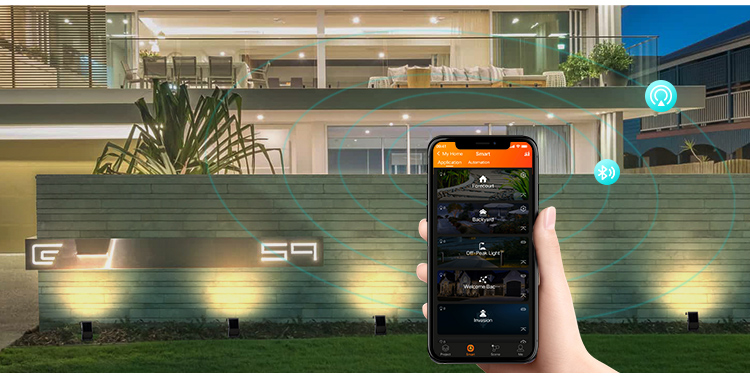
Built-in PIR functionality ensures full brightness only when required. Four customizable lighting modes—including energy-saving sensor mode and constant-on mode for events—offer flexibility across diverse applications.
These features position the SGL-21 as a versatile solution for pathways, wall-mounted lighting, and area floodlighting. In a Spring 2025 commercial upgrade project, comparable systems increased outdoor space utilization by 15%.
Why Sottlot Is the Strategic Choice for Global Clients
Backed by over 20 years of R&D experience and more than 800 international certifications—including ISO9001, CE, ROHS, and CB—Sresky / Sottlot delivers more than lighting hardware; it delivers measurable competitive advantages.
Reduced Infrastructure Costs:
By eliminating excavation and complex wiring associated with traditional AC systems, installation time is reduced to approximately 10 minutes per fixture.
ESG Compliance:
Hybrid solar systems support corporate sustainability goals without sacrificing lighting performance, reducing carbon emissions by up to 80%.
To date, Sottlot products have been installed in more than 1,000,000 homes worldwide and are rapidly expanding into commercial applications. The company also offers customized quotations and ROI calculation tools to support informed investment decisions.
Conclusion
The Sottlot BELL Series SGL-21 represents the future of commercial outdoor lighting in 2026. By combining the economic advantages of solar energy with the reliability of AC power, it delivers exceptional ROI for developers while providing designers with flexible, high-performance lighting solutions.